
Essential Precautions for Safe Roadside Assistance
Towing a vehicle can be a challenging task. It involves precise coordination and attention to detail. Whether you’re towing your own car or helping someone else, taking the right safety measures is crucial. Proper preparation and execution can prevent accidents and ensure the safety of everyone involved. This guide provides practical tips and best practices you should follow during towing activities.
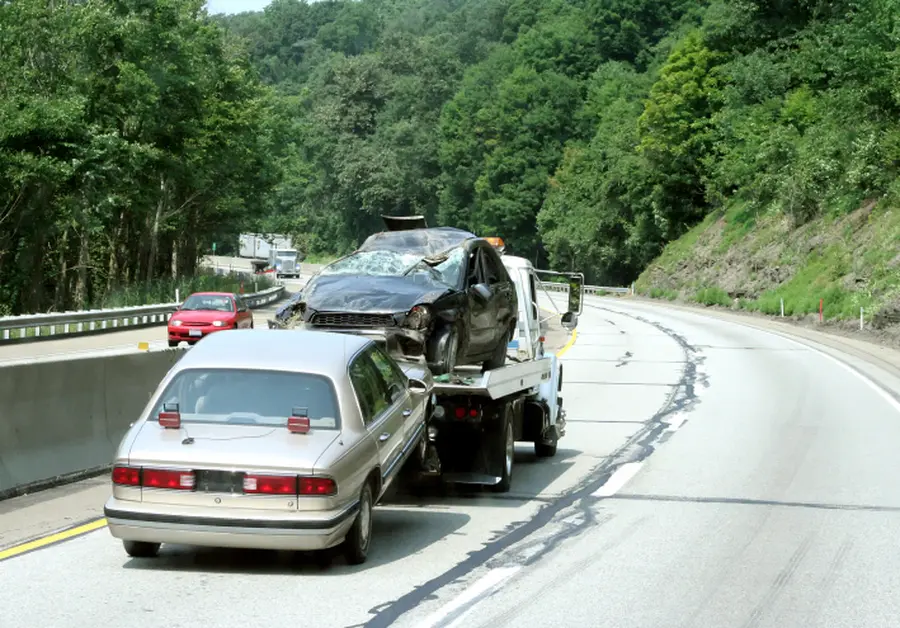
Understanding the Basics of Towing Safety
Before engaging in any vehicle towing, it’s important to understand the basics. Ensure that all components are in good working order. This includes checking tires, brakes, and lights. Confirm that your tow hitch and equipment are compatible with the vehicle being towed. Overloading the tow vehicle can lead to serious problems on the road.
Selecting Appropriate Equipment
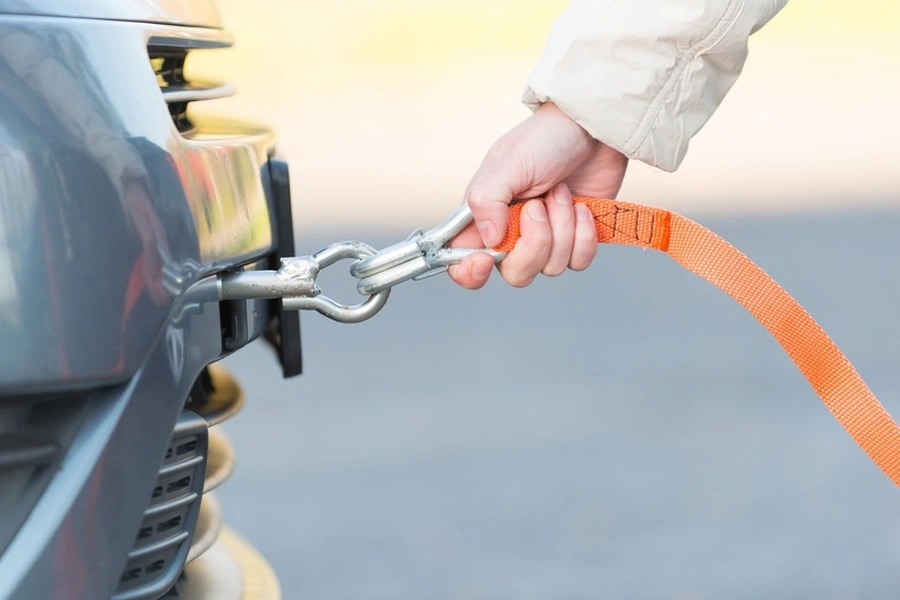
Choosing the right equipment is essential when it comes to safe vehicle towing. Use only certified tow hitches and straps designed for the specific weight of the vehicles involved. Avoid using makeshift solutions as they can fail unexpectedly. Remember, the integrity of your equipment directly affects safety.
Checking Weight Limits
One of the most critical steps before embarking on a towing mission is to check weight limits. Every vehicle has a maximum towing capacity, which must not be exceeded. Refer to your vehicle’s manual or consult with a professional if unsure. Ensuring compliance with weight limits prevents undue stress on both vehicles.
Ensuring Secure Attachments
Properly securing the vehicle ensures stability during transportation. Double-check all connections between the tow vehicle and the one being towed. Verify that chains, hooks, and hitches are tightly fastened. Insecure attachments can lead to dangerous situations where vehicles separate while moving.
- Double-check hitch connections
- Inspect strap conditions
- Use safety chains as backups
Conducting Pre-Tow Inspections
A pre-tow inspection is crucial for identifying potential issues beforehand. Inspect tire pressure and tread on both vehicles to avoid blowouts or skidding. Examine fluid levels including oil, coolant, and brake fluids. Address any leaks or low levels prior to departure.
Driving With Caution
Cautious driving is vital once the towing operation begins. Keep speeds moderate and adjust braking distances accordingly. Remember that turning and maneuverability differ when towing another vehicle. Make wider turns and anticipate stops earlier than usual to accommodate added weight.
Adapting to Weather Conditions
Weather can significantly impact towing safety. Rain, ice, or snow increase stopping distances and reduce traction. If possible, postpone towing tasks until conditions improve. When unavoidable, drive slowly, maintain longer following distances, and use gentle acceleration and braking techniques.
- Reduce speed during adverse weather
- Maintain extended following distance
- Avoid sudden maneuvers
Preparing for Emergencies
Even with meticulous planning, emergencies can occur during towing operations. Keep an emergency kit accessible at all times. Include items such as flares, reflective triangles, first aid supplies, and basic tools. These resources may prove invaluable should unexpected circumstances arise.
Expert Recommendations for Towing Success
Tapping into expert recommendations enhances your ability to conduct safe towing operations. Always keep communication open between drivers involved in towing tasks. Utilize hand signals or radios if necessary to coordinate efforts effectively.
- Coordinate with all parties involved
- Utilize clear hand signals or radios
- Review local laws regarding towing practices
Final Steps for Safe Towing Practices
Towing demands careful consideration and adherence to safety guidelines throughout each phase of the process. By following these recommended strategies and conducting thorough inspections, many potential hazards are mitigated efficiently.
Getting Professional Help With Your Towing Needs
If you require assistance beyond DIY capabilities or feel uncertain about performing certain aspects yourself, seek out professional help immediately rather than risking injury or damage through improper handling procedures alone! Located in Glenside, PA, our team at Aces Active Auto LLC offers expert support tailored towards meeting unique requirements across varying scenarios involving transport-related challenges faced today – call us now at (215) 668-2277!